

By Mebrahten G. Belay
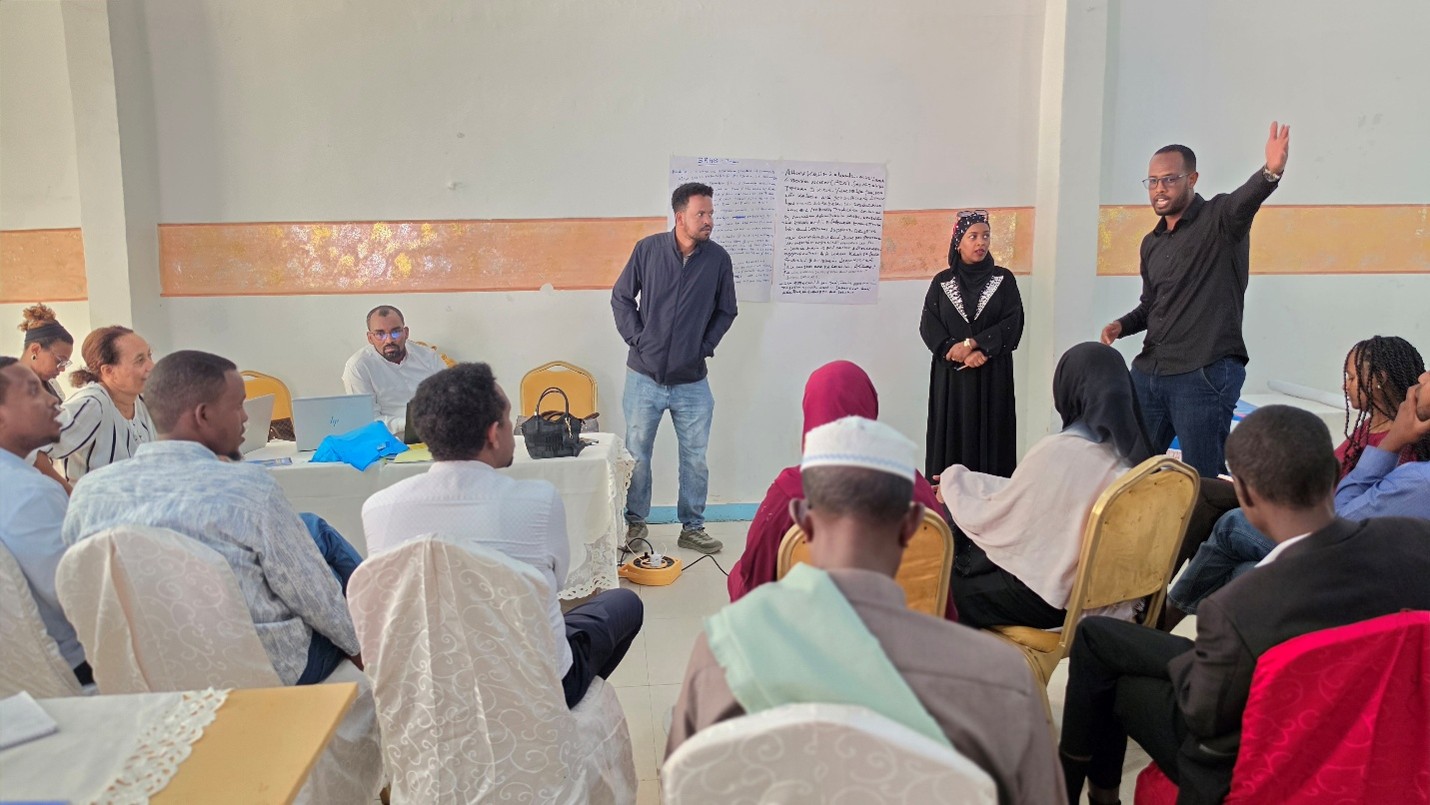
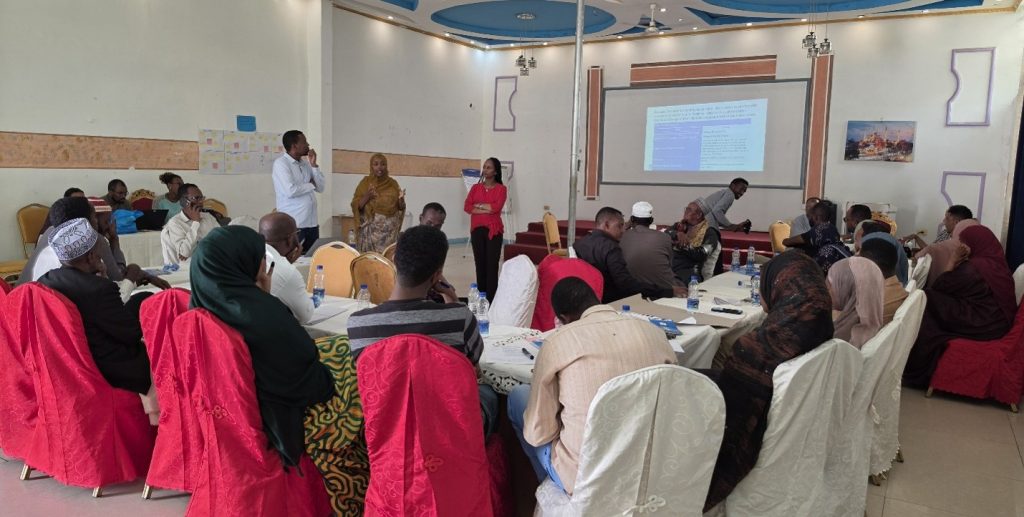
It was a bright morning on August 20, 2026. Inside a hotel conference room in Jigjiga, a training session was just kicking off. The room reflected true diversity in every sense: traditional clan and religious leaders, women representatives, health extension workers, woreda and zonal health officers, regional health directors, and the MERQ research and operations team sat side by side. They brought with them a rich tapestry of ages, professions, backgrounds, and life experiences.
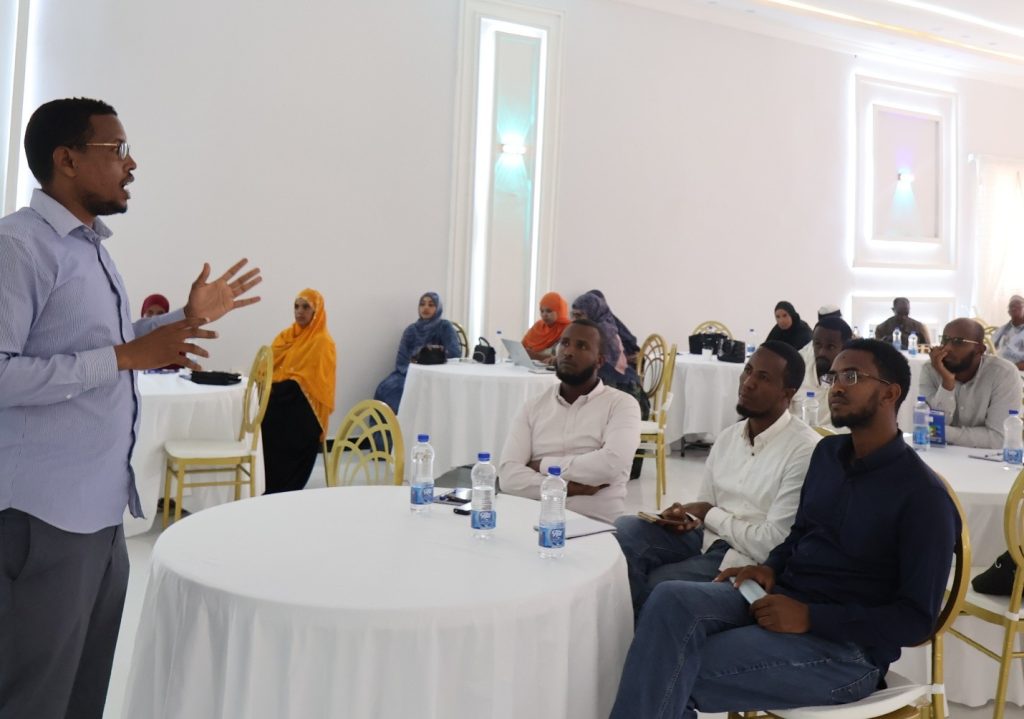
partial view of regional design team training on August 20, 2026
For some of us, the seating arrangement was immediately striking: all the local women sat together in a single row, distinctly separate from their male counterparts. This was no coincidence. It was a direct reflection of the local social norms and cultural practices.
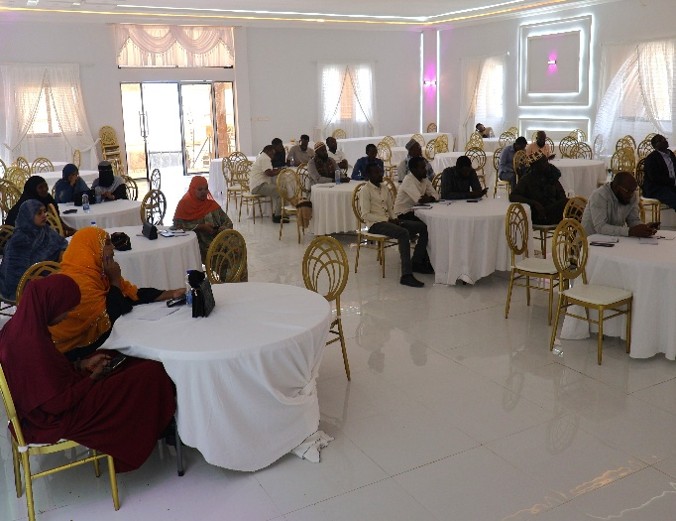
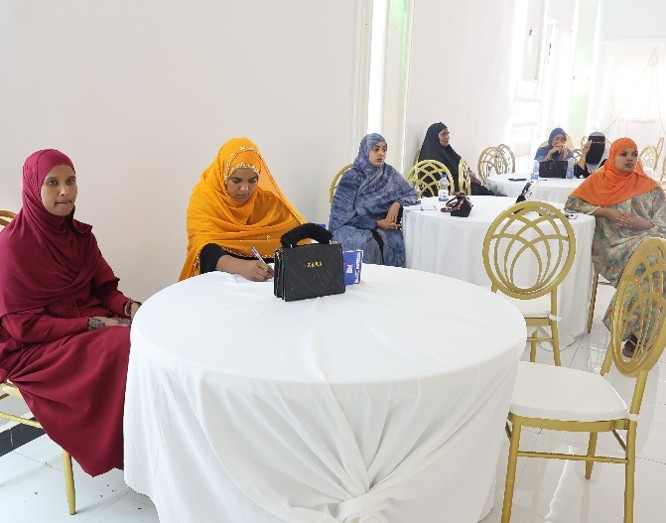
Women seated separately from their male counterparts.
With introductions out of the way, the presentations began. Based on experience from a previously conducted session, the facilitators delivered the content in a mix of Amharic and English.
About 30 minutes in, an elder raised his hand and began speaking in Somali. A facilitator from the regional health bureau immediately interjected, starting a back-and-forth that quickly swept through the hall as other participants echoed their support.
Unable to speak Somali, the MERQ team on the mission exchanged confused glances. Yet, despite the language gap, the elder’s core message rose loud and clear: Please translate these presentations so everyone in this room can fully participate.
His words were a humbling and essential wake-up call. We listened intently, though in that moment, the challenge was mutual: as he addressed the hall in Somali, honestly not a single member of our field team could comprehend what was being said.
Training on progress
Two months later, we re-joined the same group. This time, the atmosphere was completely different. No external translator was needed. Ayan Mohammed, Health System Research Coordinator at MERQ, seamlessly facilitated the session in Somali.
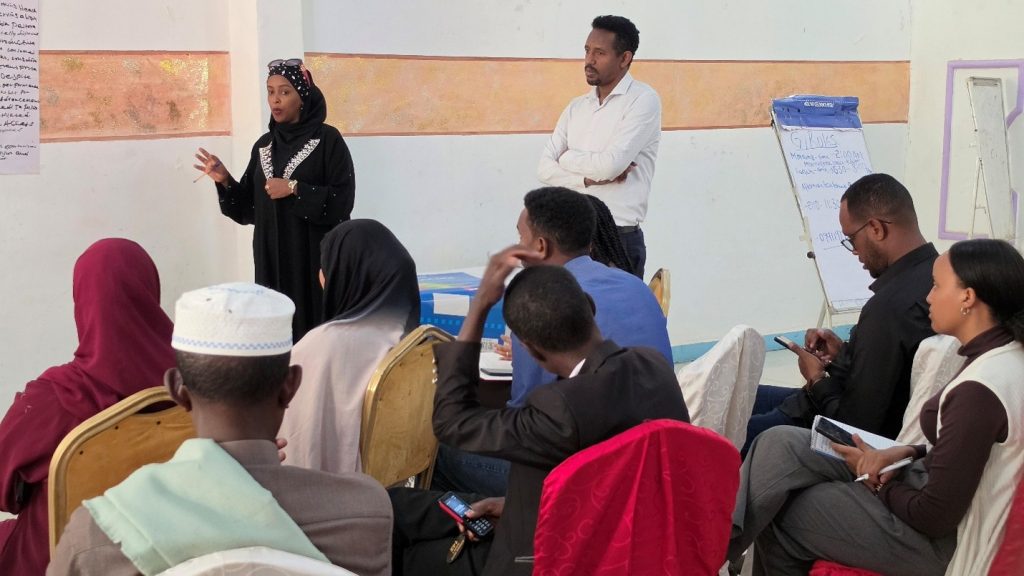
Ayan Mohammed, Health System Research Coordinator at MERQ, facilitating the session
Indeed, Ayan’s presence was beyond bridging the language barrier. Dressed in harmony with the local women, Ayan embodied a shared identity that made the space feel truly inclusive and welcoming.
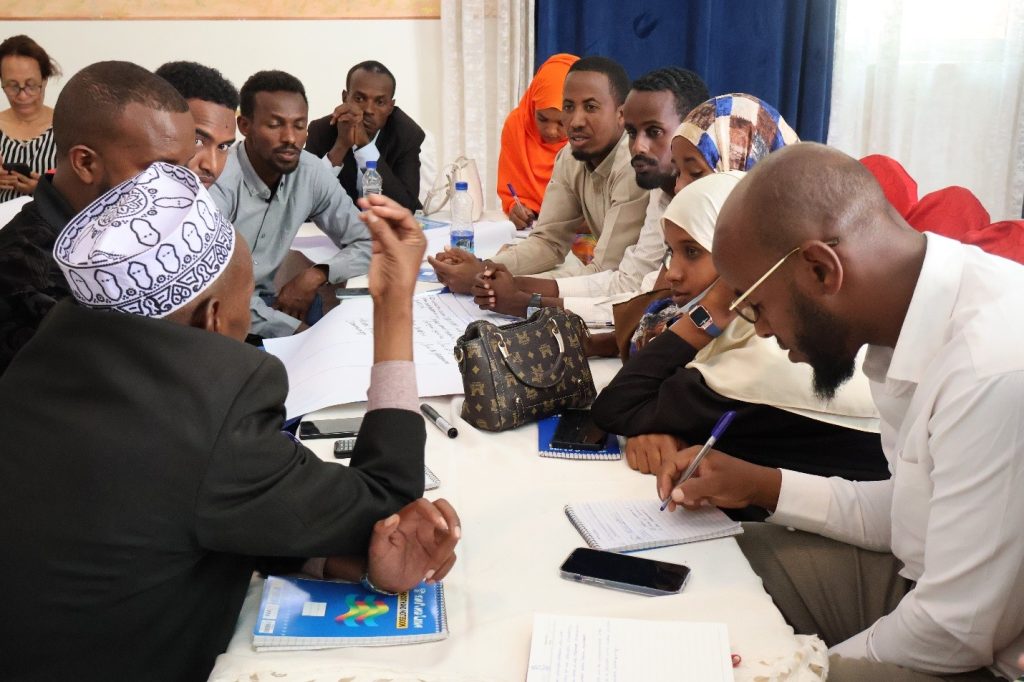
A local community leader(left), sharing lived experiences during an HRH problem-diagnosis session
The impact was immediate, and the difference was visible. This time round, community leaders actively drove the conversation, with clan leaders and women representatives actively engaged in the discussions. Local perspectives drawn from lived-experiences enriched the diagnosis of the health extension challenges. As such, the room shifted from a formal training into a shared space of trust and belonging.
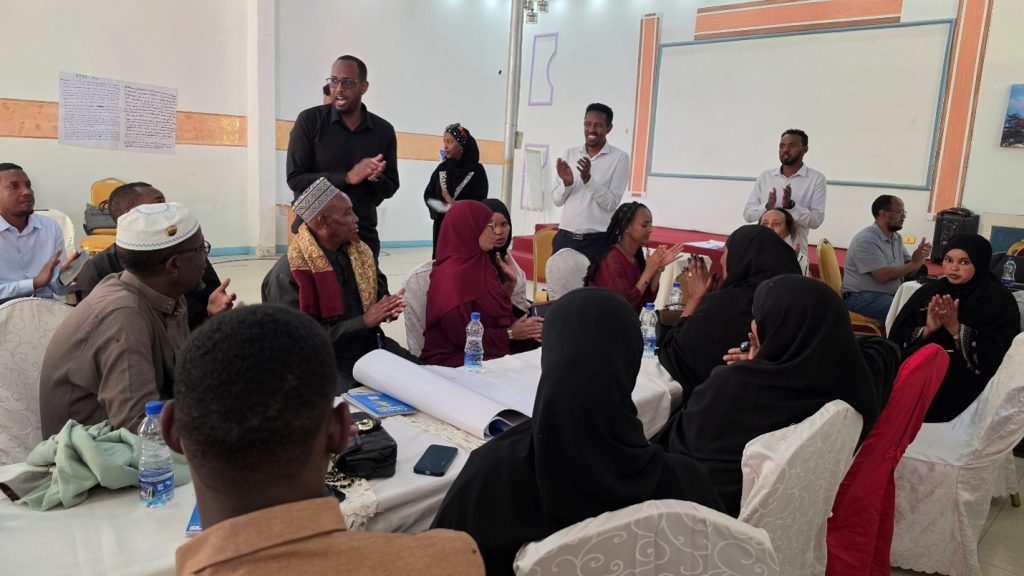
Facilitators and participants encouraging group presenters
The researchers from the MERQ team and the elderly participants got truly connected. Mahlet Atlaw, Coordinator of the HRH2 Project, witnesses the difference. “Unlike the first session, the elderly community representatives were so interested in the discussion this time.”
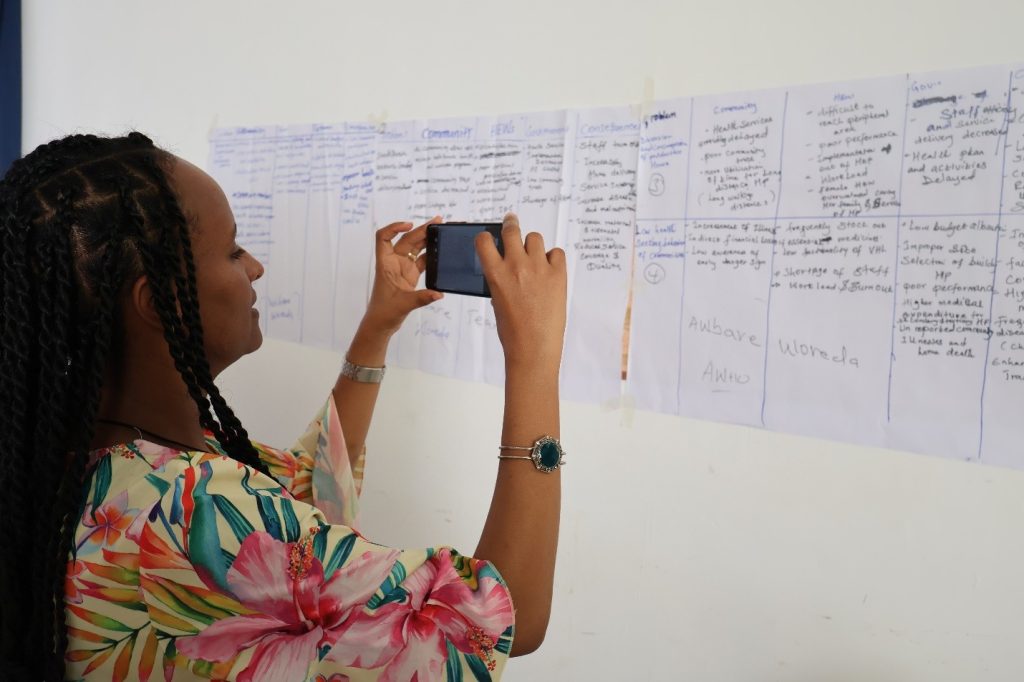
Mahlet Atlaw, Photographs the participants’ brainstorming notes
At the end of the five-day workshop, the MERQ team asked for reflections. Indeed, the connection was quite evident, with suggestions for improvement and praises for the achievement. Sheik Ali Saleban Hassen, the clan leader who requested for translation during the previous session, took the chance to speak.
“I would like to thank all of you for translating the sessions into our local language. Previously, we had difficulty understanding English and Amharic, but now we can understand the topics much better. This will help us teach and share this knowledge with our communities,” he said.
A religious leader, Sheik Abdirahman Ali Barre, also offered warm praise to the MERQ team, thanking us for honoring their language barrier and solving the challenge so thoughtfully.
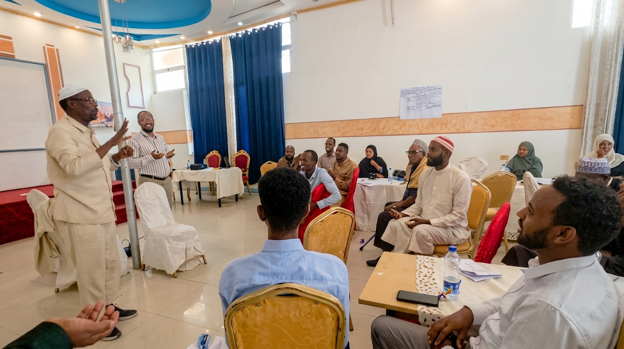
Sheik Abdirahman Ali Barre, blessing the facilitators and participants of the workshop
Eventually, he concluded the session with a heartfelt traditional blessing: a quiet gesture of deep contentment that marked the birth of a genuine kinship. For the MERQ team, it was a deeply uplifting moment on the road, and a powerful reaffirmation of what community engagement truly means to our organization.
At MERQ Consultancy, genuine community engagement isn’t just a corporate value: it’s how we operate.
Because we work across all corners of Ethiopia, embracing our country’s multilingual and sociocultural diversity is essential to delivering real impact. For us, diversity starts from within. Across our full-time staff, specialized consultants, and frontline data collectors, our team mirrors the very communities we serve in all corners of the country.
Whether in our office corridors or walking through our halls, hearing conversations unfold in multiple languages is simply the norm. Blending deep professional expertise with lived cultural insights enriches our collective learning and ensures that the communities we serve throughout Ethiopia truly benefit. It is part of what keeps us grounded, trusted, and effective in our mission. Our experience in Jigjiga stands as living proof of that commitment in action.
Moral of the story:
As a research and social impact organization, having a truly diverse team that reflects the communities we serve goes far beyond overcoming language barriers. It creates common ground, fosters ownership, and lays the foundation for sustainable healthcare solutions.
At MERQ, as utilization-focused evidence generating firm, we view community engagement as a great opportunity for co-creation of knowledge. And, co-creation doesn’t happen overnight. It requires building trust and two-way learning. Ensuring community voices are heard and honored paves the way for sustainable health and social impact. This principle sits at the heart of our mission, consistently demonstrated in our work alongside funders and strategic partners.
Acknowledgement:
The training series is part of a project that aims to optimize health workforce performance and efficiency in Ethiopia’s the health extension program (HEP). The project is facilitated by MERQ Consultancy, led by the Ministry of Health and financed by Gates Foundation. MERQ Consultancy gratefully acknowledges the Ministry of Health, Gates Foundation and our partners for their multifaceted contributions to the success of this project and their steadfast commitment to strengthening Ethiopia’s health system.

