

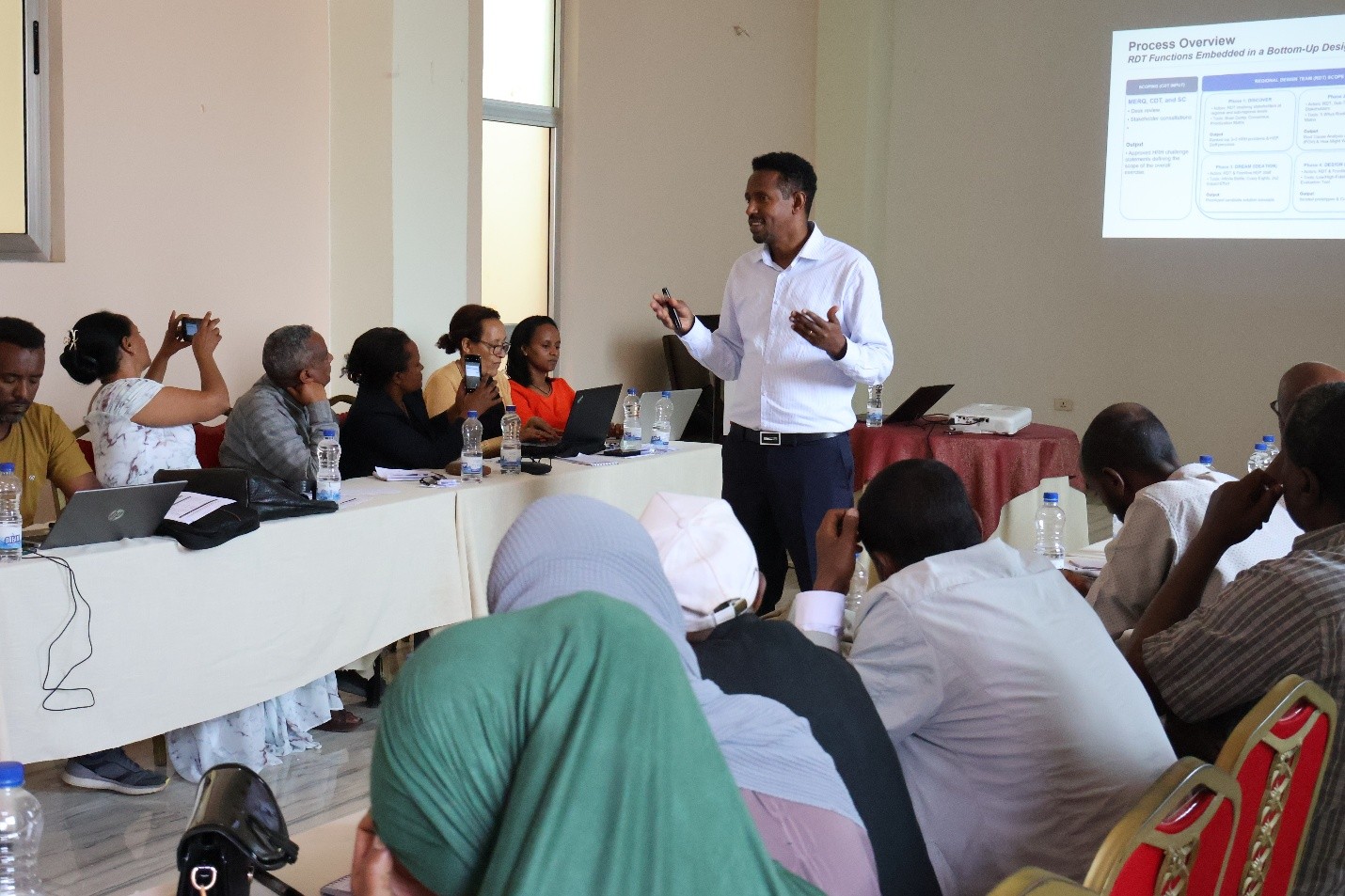
In collaboration with the Ministry of Health and Amhara Regional Health Bureau, MERQ Consultancy conducted a four-day regional design team (RDT) training in Bahirdar city as part of the implementation of the Human Resources for Health (HRH2) project.
The event was organized as a follow-up to the kick-off meeting held in midst of August in collaboration with the Amhara Regional Health Bureau (ARHB), during which both MERQ and the ARHB agreed that the later would establish a regional design team and select two woredas as implementation areas. Accordingly, Semien Mecha and Desie Zuria woredas have been selected for their typical representation for the entire regional health system and health workforce conditions in the region.
The event is therefore organized to familiarize the regional design team (RDT) members with the objectives and expectations of the project: “Optimizing Health Workforce Performance and Efficiency in the Health Extension Program of Ethiopia”, or in short known as HRH2.
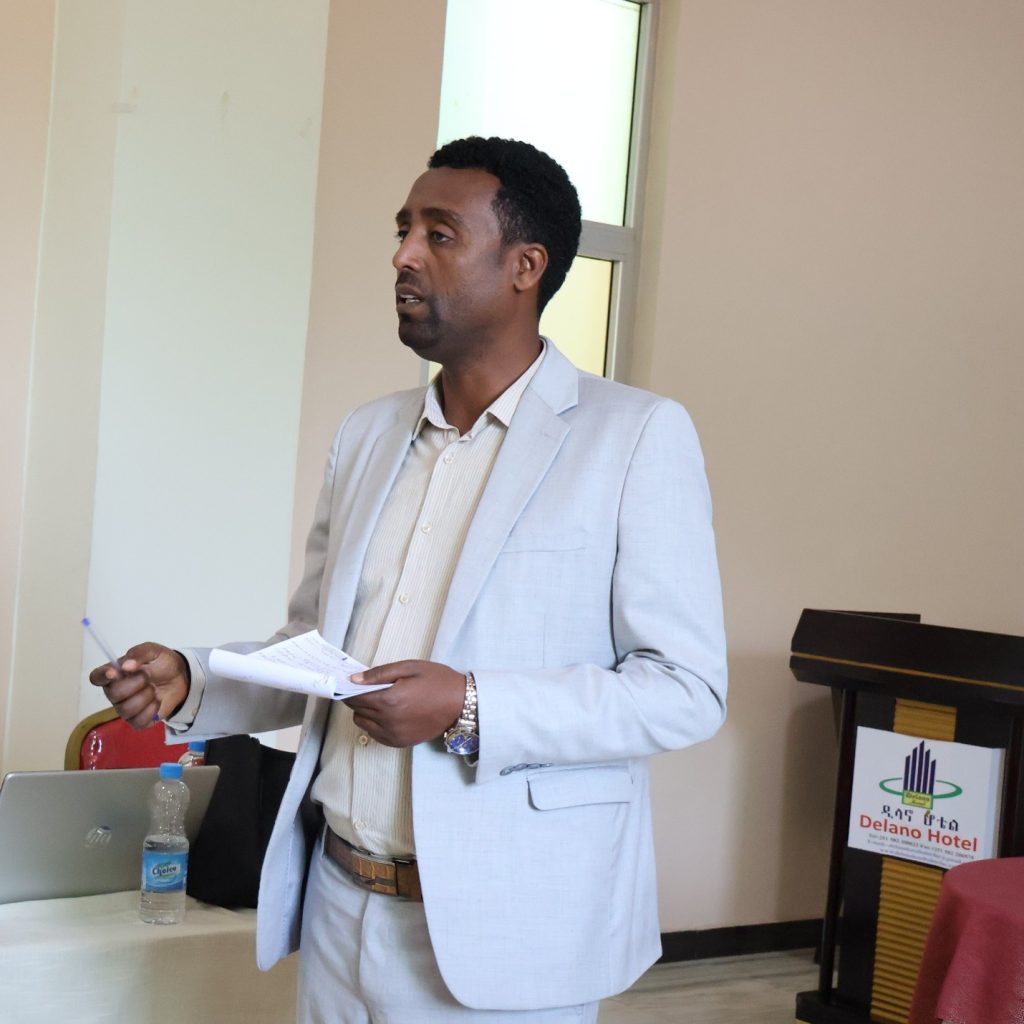
Mr. Wondimeneh Liyew, Director of Community Engagement and Primary Health Care, ARHB
In his opening speech, Mr. Wondimeneh Liyew, Director of Community Engagement and Primary Health Care in Amhara Regional Health Bureau (SRHB), stressed that the HRH2 Project is truly relevance to the region’s current health workforce challenges. He called the regional design team to make use of this opportunity to improve the suboptimal performance and inefficiency bottlenecking the region’s health extension program in particular and primary healthcare services in general.
Reminding participants of MERQ Consultancy’s critical role in generating evidence that informed the national roadmap for health extension program (HEP) conducted between October 2018 and October 2020, Mr. Wondimeneh expressed his team’s readiness to collaborate toward the successful completion and effective utilization of the HRH2 project.
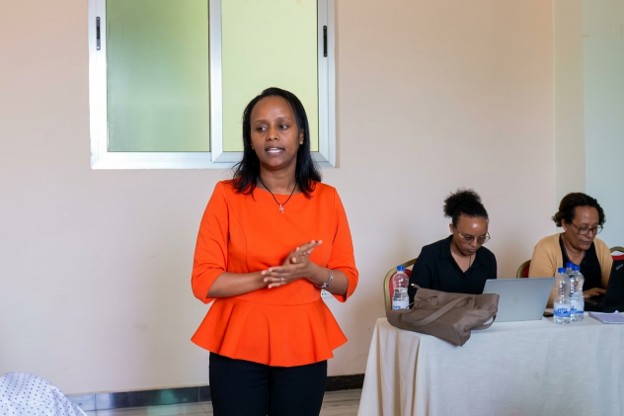
Mahlet Atlaw, Health System Research Coordinator at MERQ
On behalf of the MERQ team, Mahlet Atlaw, Health System Research Coordinator at MERQ Consultancy, on her part highlighted the importance of the RDT’s role in identifying human resource related challenges and suggesting their solutions. “We expect a great deal from the regional design team in rigorously identifying the human resource challenges contributing to the suboptimal performance of the health workforce and primary healthcare system in the region,” she said.
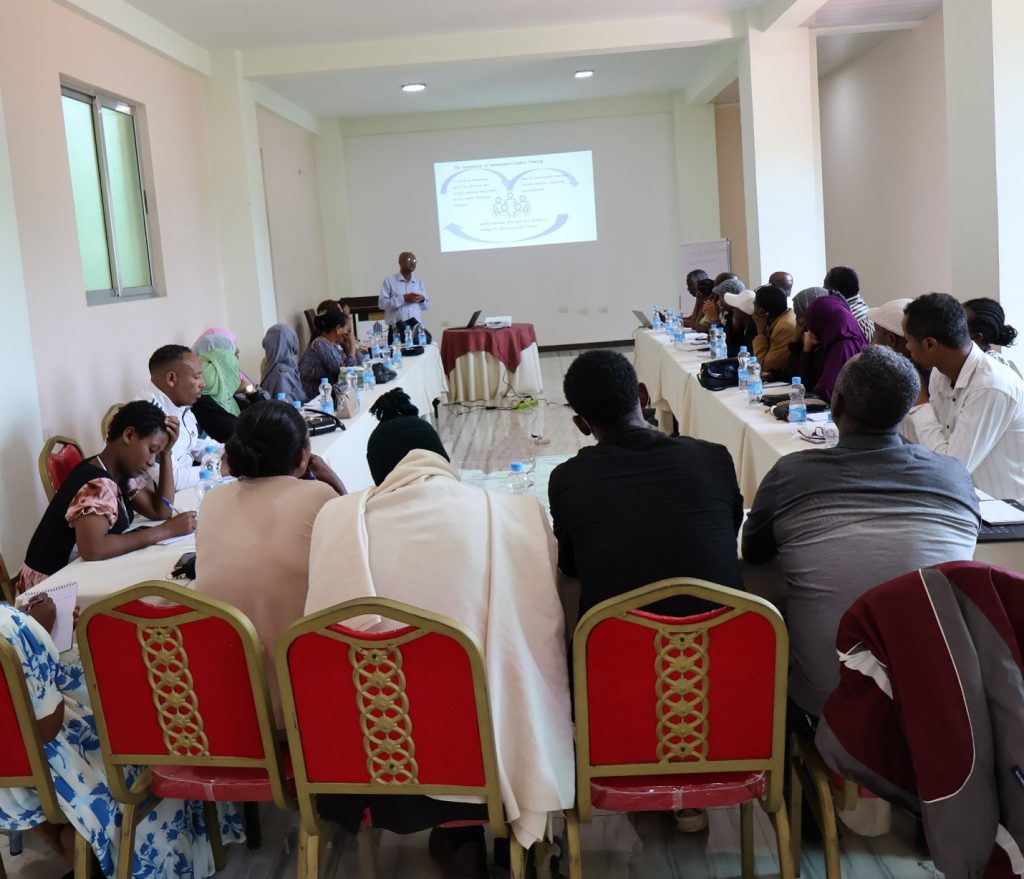
Partial view of the training participants
The ARHB’s RDT team is comprised of the Vice Head of the regional health bureau, relevant directorates, zonal and woreda health office representatives, health facility leadership and frontline health workers including Health Extension Workers as well as community representatives/Health Village Leaders.
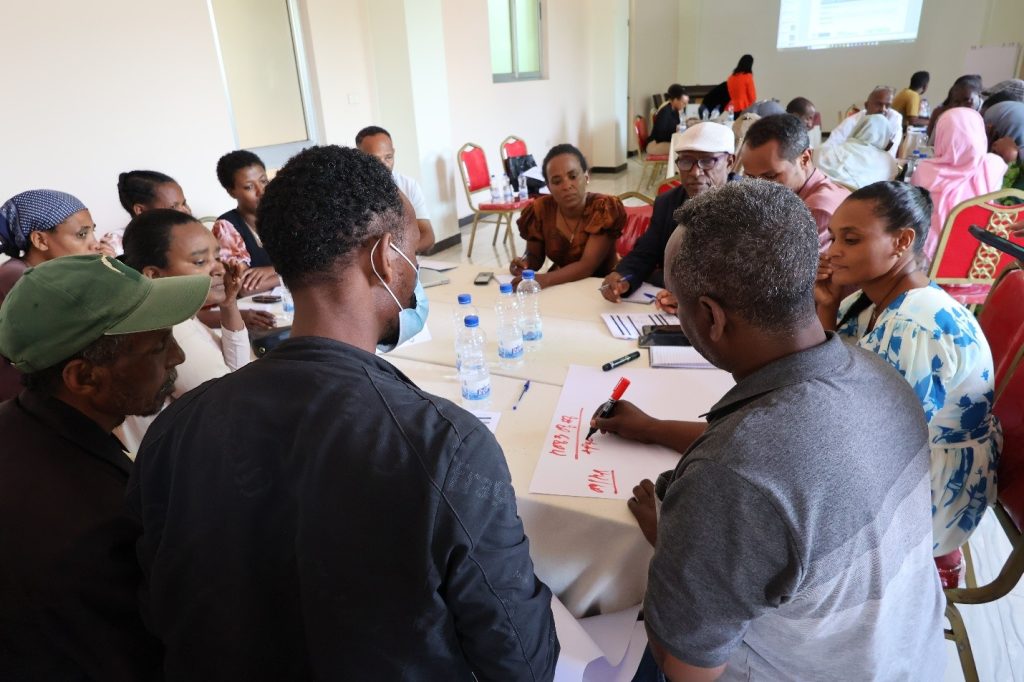
Following a series of presentations by MERQ team members and a representative from the Ministry of Health, participants engaged in productive group discussions.
The discussions helped identify key challenges facing the health workforce involved in implementing the Health Extension Program (HEP), providing important insights for strengthening workforce performance and the program.
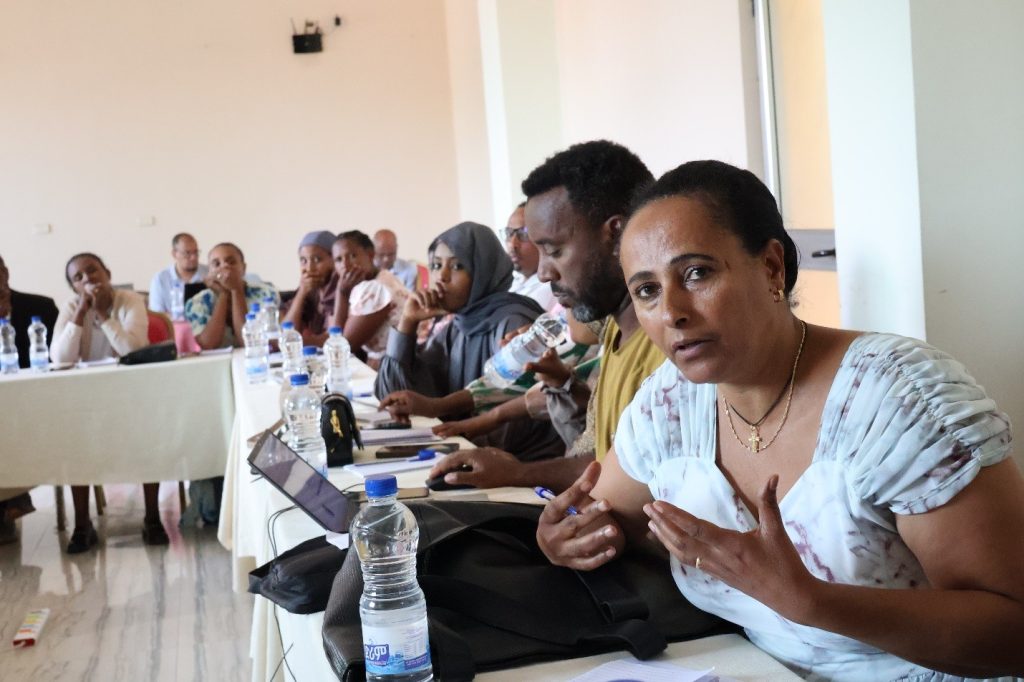
Participants of the RDT training, during a group discussion
The inputs gathered from the regional design teams will inform the central design team, which will synthesize lessons from the evidence generated across the implementing regions.
MERQ sincerely acknowledges the Ministry of Health for its leadership in advancing the HRH2 Project, the Gates Foundation for its generous financial support, and all partners contributing to the strengthening of Ethiopia’s primary health care.

