

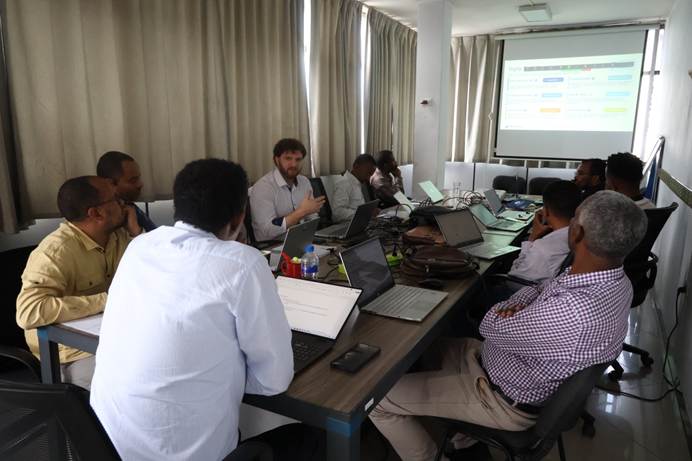
The MERQ Consultancy and Vital Waves team held a discussion on digital components of the Human Resources for Health (HRH2) project which aims to develop and test solutions to improve the HRH efficiency, productivity, motivation, and accountability in the Ethiopian Health Extension Program (HEP). This nation-wide project led by the Ministry of Health, and financially supported by the Gates Foundation, and implemented by MERQ Consultancy in collaboration with Vital Waves.
Building on evidence generated through the HEP HRH-1 project that involved a time and motions study, the HRH2 project aims to optimize HRH efficiency, productivity, and accountability within the Ethiopian primary healthcare system. As an implementation research guided by a human-centered design approach, the project draws on evidence from diverse sources including communities, primary healthcare key stakeholders, existing literature, and a comprehensive gap analysis to inform the digital solutions design.
Opening the session, Dr. Alula M. Teklu, MERQ Consultancy CEO, briefed participants on the importance of supporting the digital solutions design process through evidence synthesis and gap analysis. He noted that MERQ Consultancy and Vital Waves have been working collaboratively on the digital solutions component of the HRH2 project, with their findings from the evidence synthesis and gap analysis would provide a foundation for designing context-appropriate digital interventions.
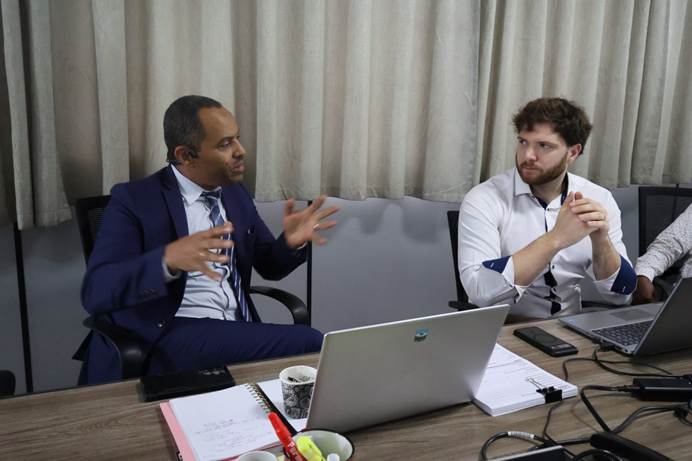
Dr Alula M. Teklu (left) and Joshua Greene (right)
Joshua Greene, representing Vital Waves, a consulting firm that develops tools and methodologies for large-scale digital service delivery in low-resource environments, presented the findings of digital evidence review, opportunity mapping and analysis of the enabling environment for digital HRH solutions in Ethiopia.
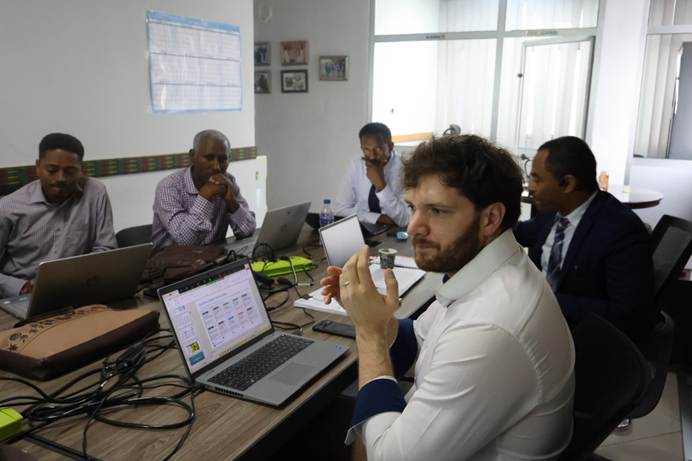
According to the review, significant gaps exist in human resources for health where digital solutions could enhance performance in many ways ranging from tracking problems to providing viable solutions. Joshua highlighted ten priority intervention areas identified through the review as opportunities for digital innovation: attendance and presence verification, supervision decision making, performance dashboards, need-based workforce allocation modelling, workload analytics, compensation tracking, training and certification, community feedback mechanisms, outbreak surge planning and optimization of the electronic community health information system (eCHIS) for HRH.
The presentation also included a review of key Ministry-level systems and interoperability standards while emphasizing the need for broader infrastructure and governance to support sustainable implementation.
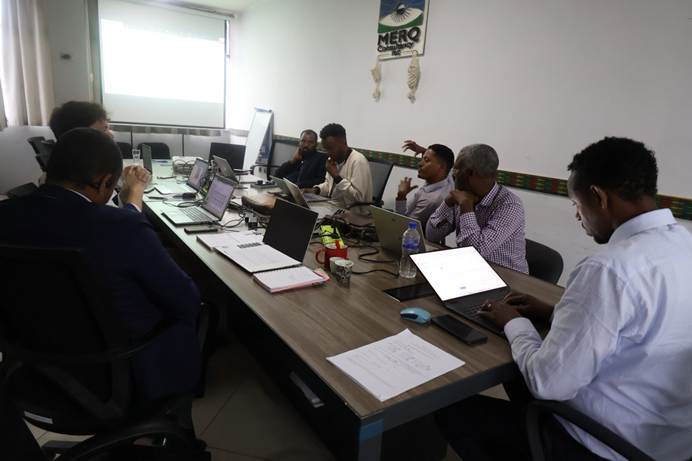
During the discussion that followed, participants emphasized that any proposed digital solutions should complement, rather than replace existing digital health interventions implemented by other partners. The team, also, stressed the importance of ensuring that all proposed solutions are aligned with the human centered design principles guiding the project.
Besides, participants underlined that digital solutions should be needs-based, and designed to address the practical challenges faced by communities and healthcare providers. They also highlighted regional differences across Ethiopia, infrastructure constraints, and competency gaps among healthcare providers, including limited digital literacy, as critical factors to consider during the design and implementation process.
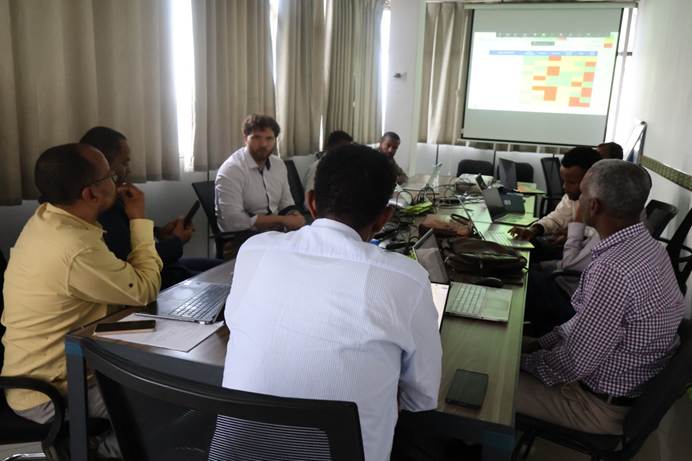
The MERQ Consultancy and Vital Waves team reaffirmed the importance of continuing the co-design process deepen understanding of existing and emerging tools within Ethiopia’s digital health ecosystem. The meeting concluded with agreement on immediate action points and next steps, with responsibilities assigned to respective teams and technical experts.
The digital opportunity and enabling environment analysis conducted by the Vital Waves team contributes to one of the project’s core objectives: use a bottom-up, time-based accounting model, supported by on-the-ground research, to inform systemic, data-driven changes to primary health care programming and the introduction of workload management tools.
MERQ Consultancy sincerely acknowledges the Ministry of Health for its leadership, and the Gates Foundation for funding the HRH2 Project and partners including Vital Waves for supporting the digital health infrastructure in Ethiopia.

