

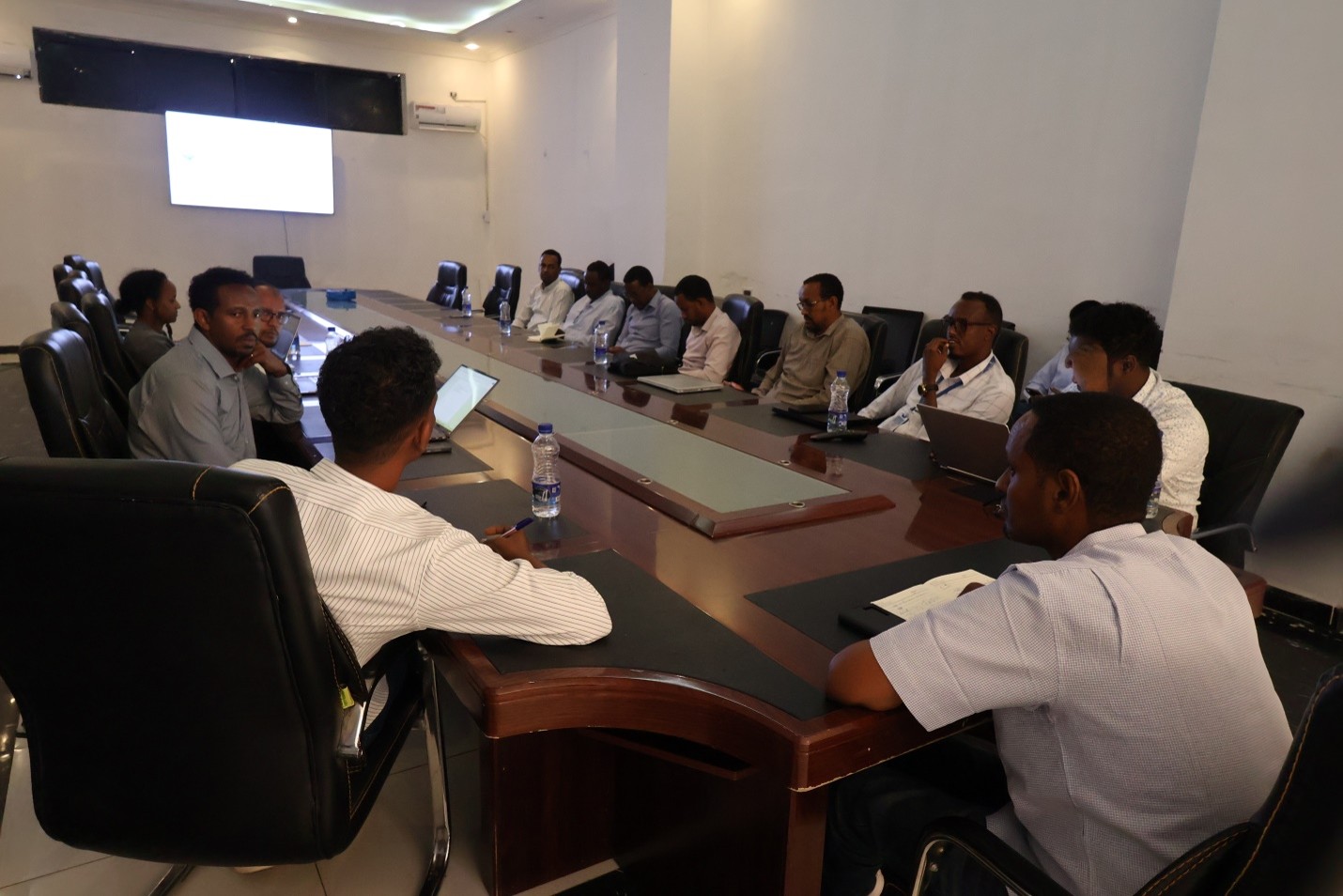
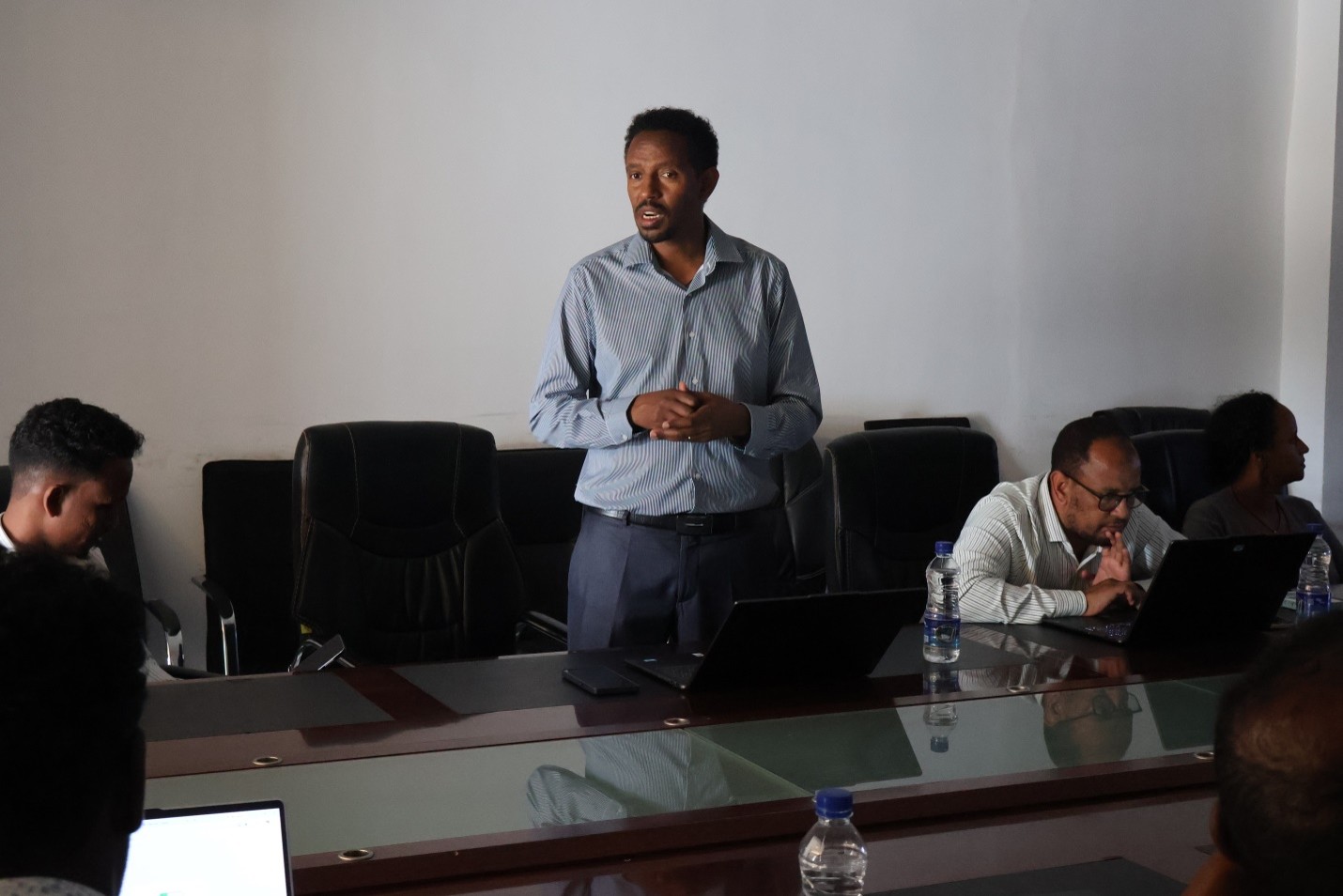
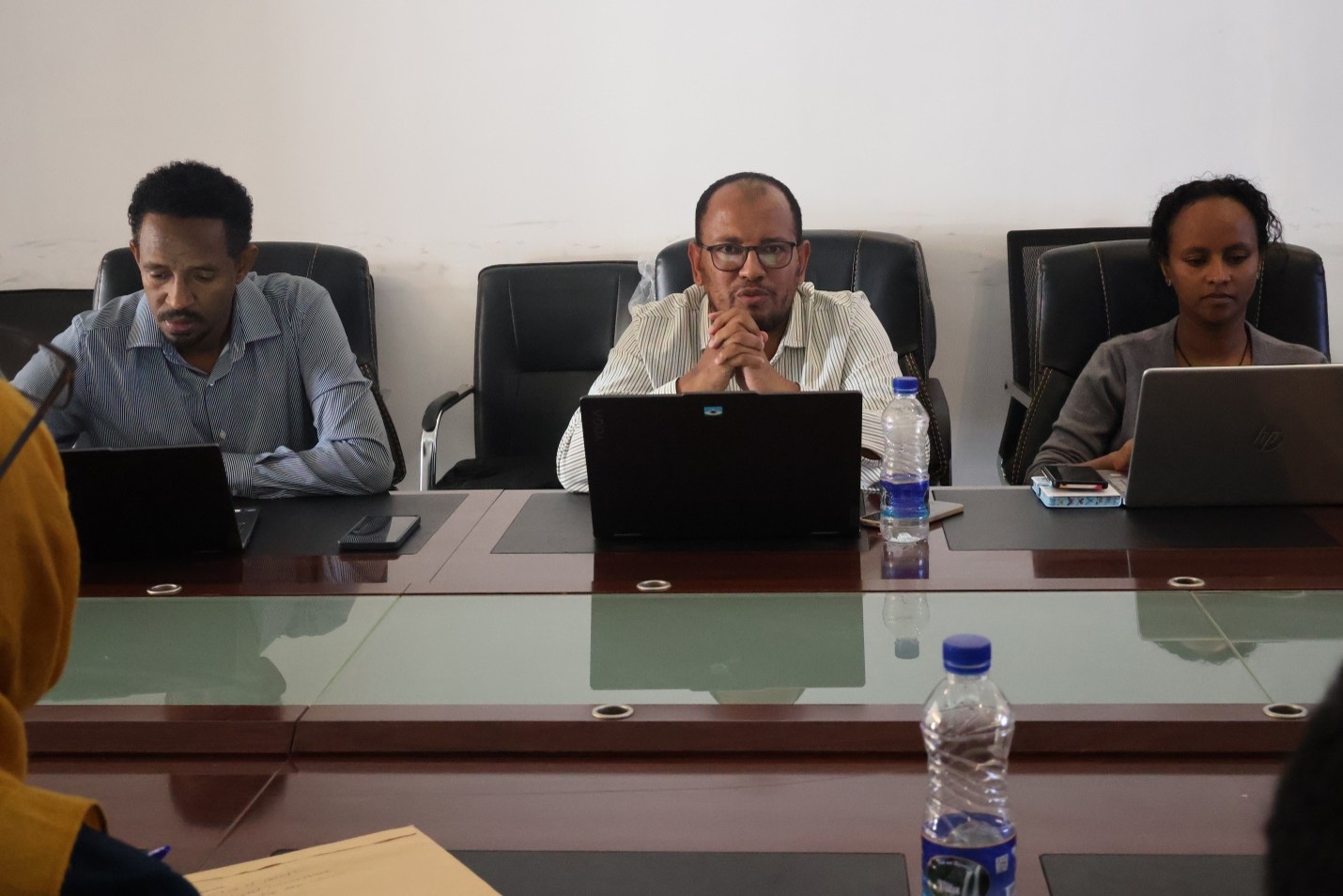
Jigjiga, Ethiopia- July 20, 2026: MERQ has officially launched regional engagement for the Human Resources for Health (HRH2) Project, in Ethiopia’s Somali region. The kick-off event brought together leadership and technical experts from the Somali Regional Health Bureau (SRHB), marking an important step toward strengthening Ethiopia’s Health Extension Program (HEP) through evidence-based interventions aimed at optimizing health workforce performance and efficiency.
Guided by its strong commitment to meaningful stakeholder engagement, MERQ has been actively engaging key stakeholders while implementing the HRH2 Project, also formally titled “Optimizing Health Workforce Performance and Efficiency in the Health Extension Program of Ethiopia.” Among these key stakeholders is the Ministry of Health, which owns and leads the program, ensuring alignment with national priorities and effective implementation.
As part of this commitment, MERQ held a regional kick-off meeting with the Somali Regional State Health Bureau on July 20, 2026, bringing together the bureau’s leadership and technical experts to discuss the implementation of the HRH2 Project in the region.
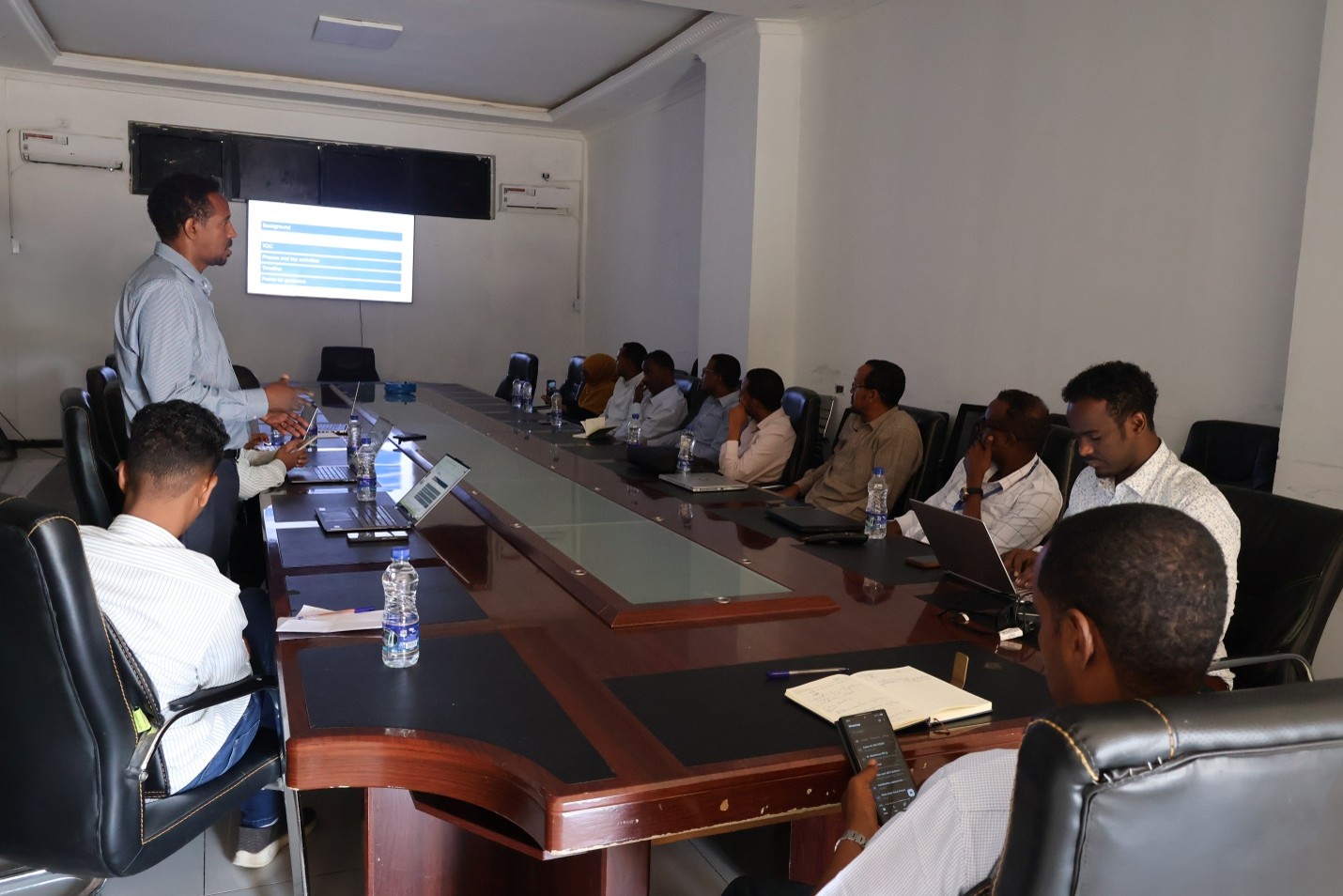
During the meeting, Dr. Yibeltal Kiflie, Chief Programs Officer at MERQ and Technical Lead of the project, briefed the participants that the project is led by the Ministry of Health, with MERQ supporting its implementation in close partnership with federal and regional stakeholders, including the Somali Regional Health Bureau and its health system structures.
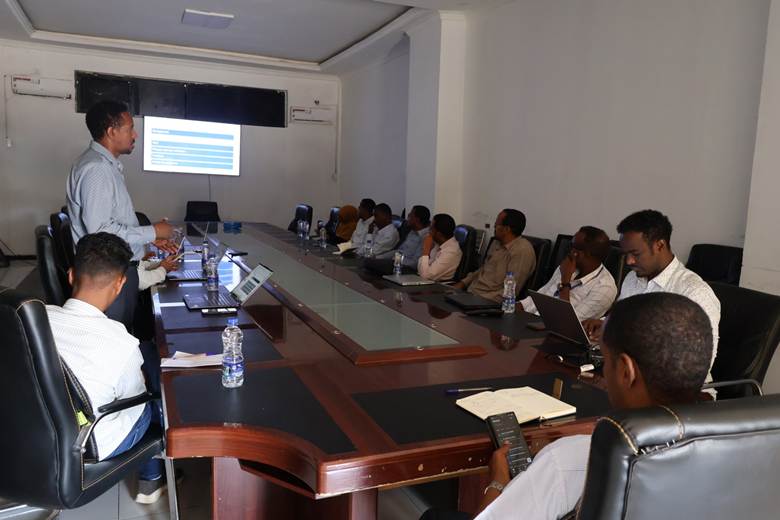
Dr. Yibeltal Kiflie, presenting the HRH2 Project to the Somali regional health bureau team
He also presented the project’s objectives, theory of change, key interventions, expected deliverables, and phased implementation approach. The presentation highlighted how the project aims to optimize the performance and efficiency of the health workforce within Ethiopia’s Health Extension Program.
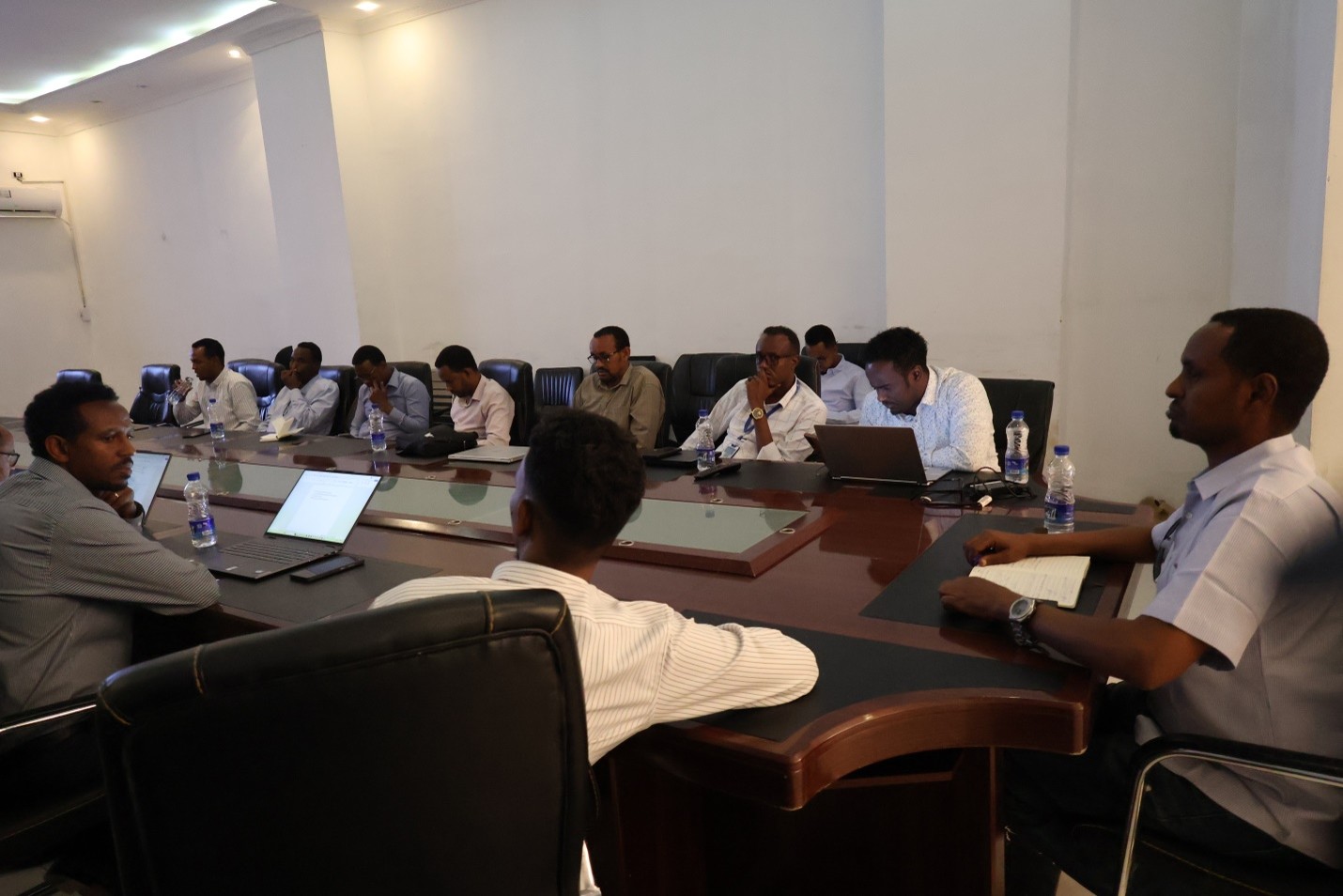
Mr. Abdibari Ma’alin Mohamed, Somali Regional Health Bureau Advisor, representing the Bureau welcomed the MERQ team’s initiative and expressed the bureau’s appreciation for the partnership. He reaffirmed the bureau’s commitment to supporting the successful implementation of the project in the region.
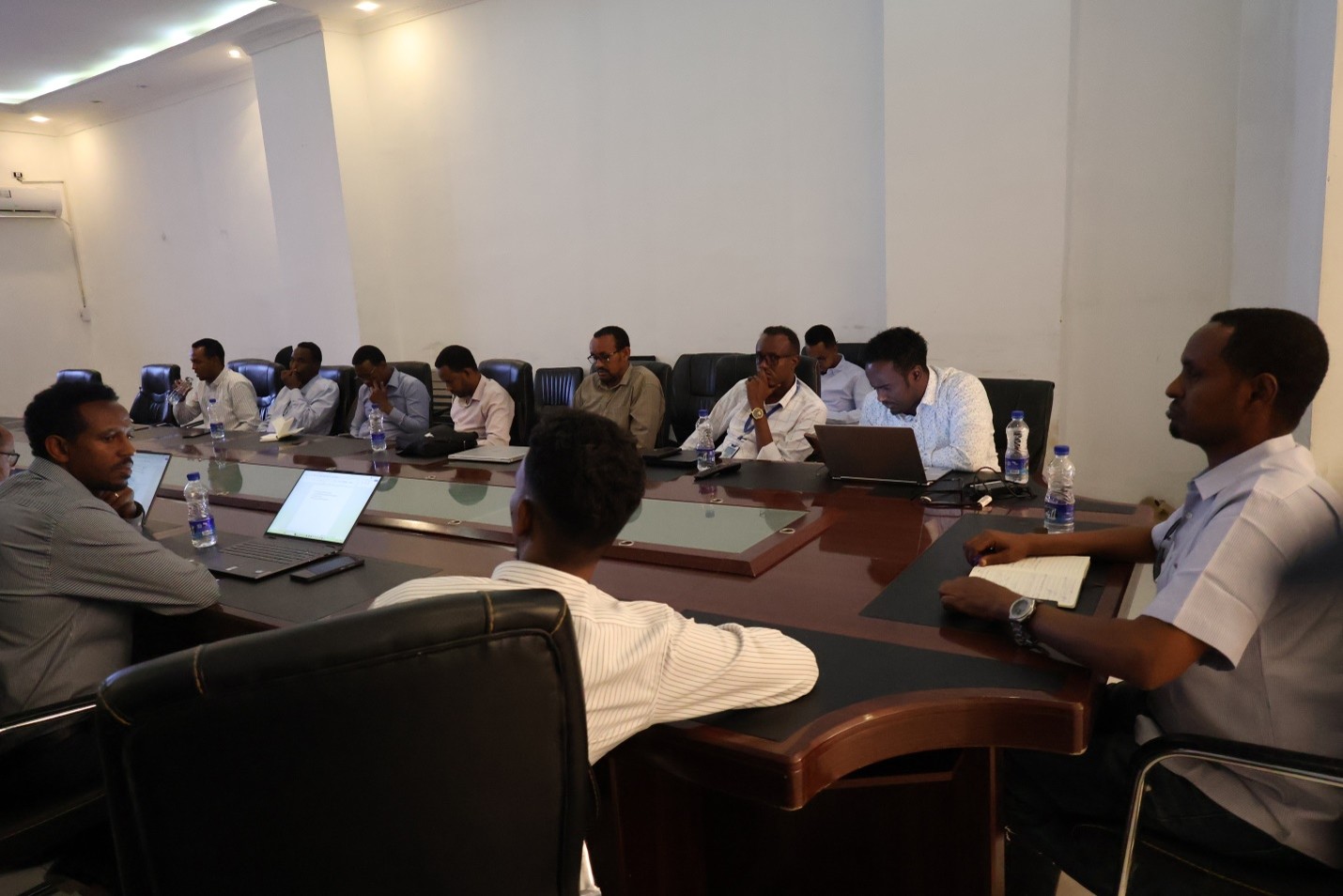
Mr. Abdibari Ma’alin Mohamed, Somali Regional Health Bureau Advisor (right), leading the meeting.
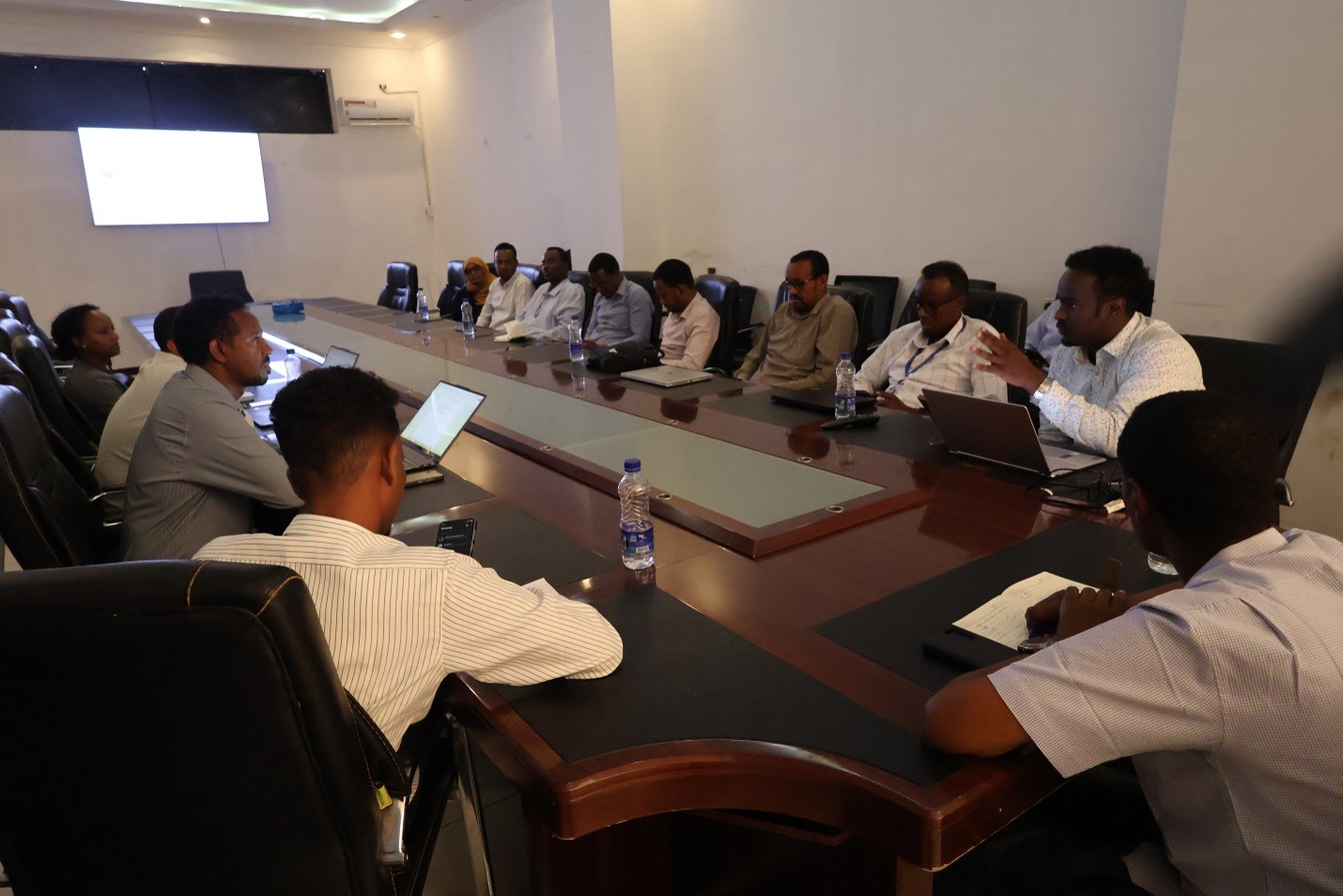
Technical experts from the Regional Health Bureau also expressed their enthusiasm for the project’s objectives and planned interventions, recognizing its potential to strengthen human resources for health and improve the performance of the Health Extension Program in the pastoralist community. They also raised important questions and reflections on the need to properly engage clan and community leaders, strengthen government ownership and leadership engagement within the Regional Health Bureau, and design digital solutions that are responsive to the unique context and needs of pastoralist communities.
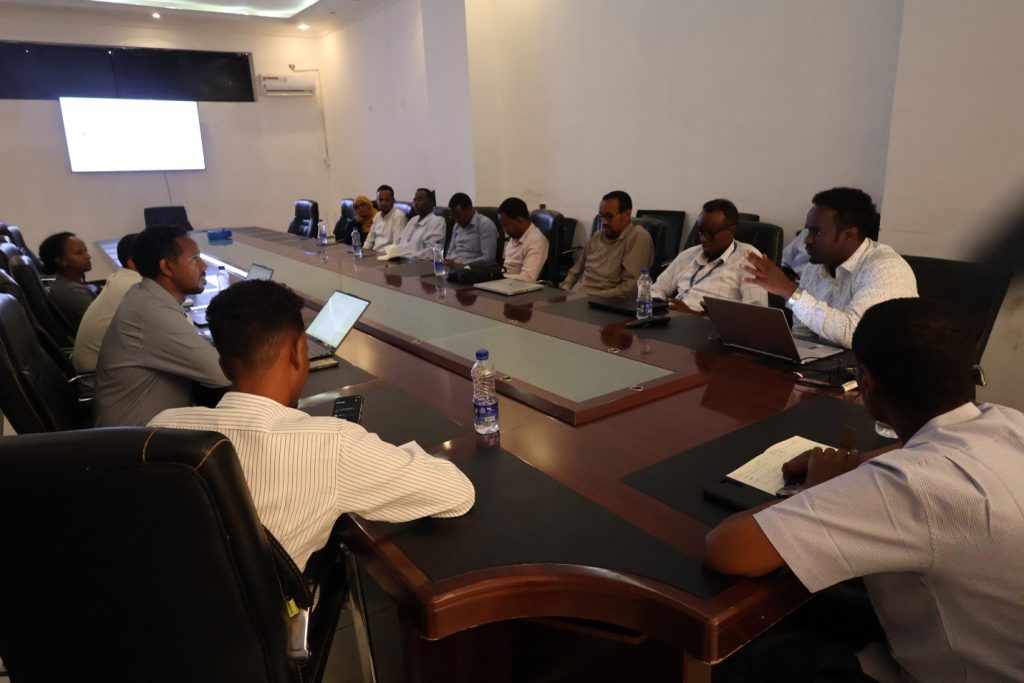
Members of the Somali regional health bureau team actively asking questions & sharing their reflections
“At this stage,” Dr. Yibeltal said, “we need to focus on identifying the problems and understanding their root causes, rather than prematurely speculating about solutions.” He emphasized the importance of critically examining day-to-day observations related to human resources within the Health Extension Program (HEP) and considering their implications for health workforce performance and the effectiveness of service delivery.
Eventually, the participants agreed on the need to comprehensively identify the problems and challenges facing the human resources involved in the Health Extension Program (HEP), as well as the underlying factors contributing to their low performance.
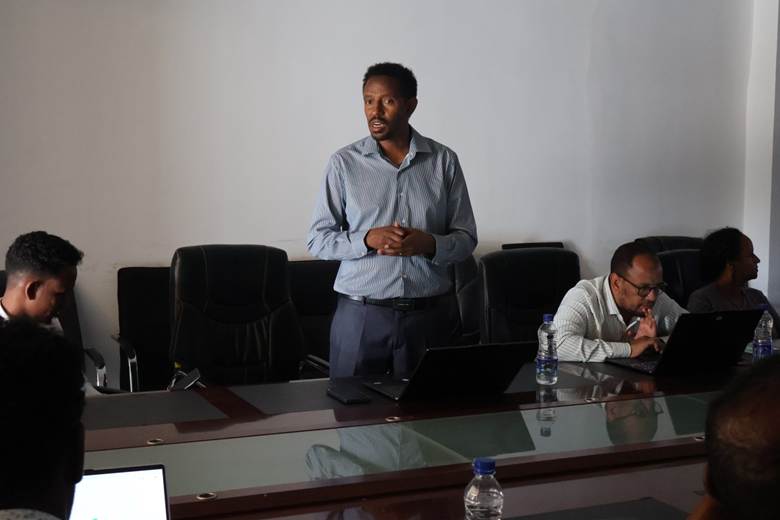
Dr. Yibeltal Kiflie, addressing questions and reflections raised by the regional health bureau team
The meeting concluded with agreement on several key next steps, including:
- Selecting two representative woredas where the project will initially be implemented.
- Establishing a Regional Solutions Design Team that can guide context-specific design and implementation of solutions.
- Developing a schedule for training the newly established team (with a tentative date already determined).
The Somali Regional State Health Bureau reaffirmed its readiness to work closely with MERQ to successfully implement the project and generate lessons that can be scaled up to strengthen the health system across the region.
Through continued collaboration with government partners at every level, MERQ remains committed to supporting sustainable, evidence-driven improvements in Ethiopia’s health workforce and health system.
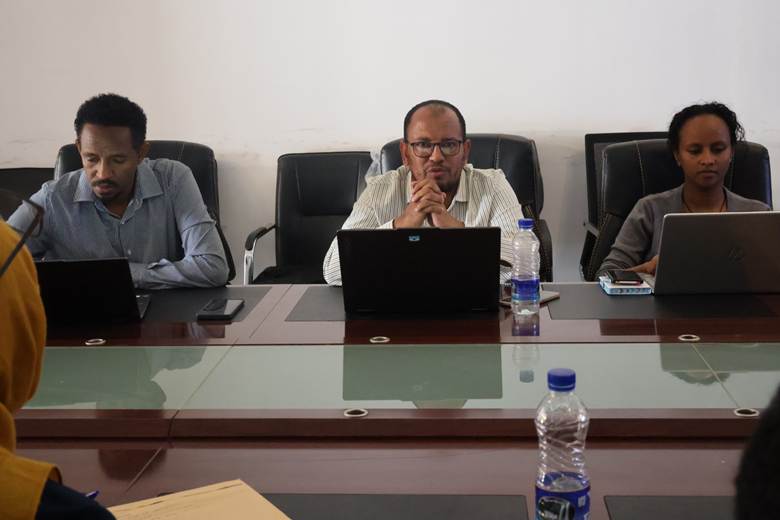
MERQ extends its sincere appreciation to the Ministry of Health for its leadership in advancing the HRH2 Project, the Gates Foundation for its generous financial support, and all partners contributing to the strengthening of Ethiopia’s digital health infrastructure.

